



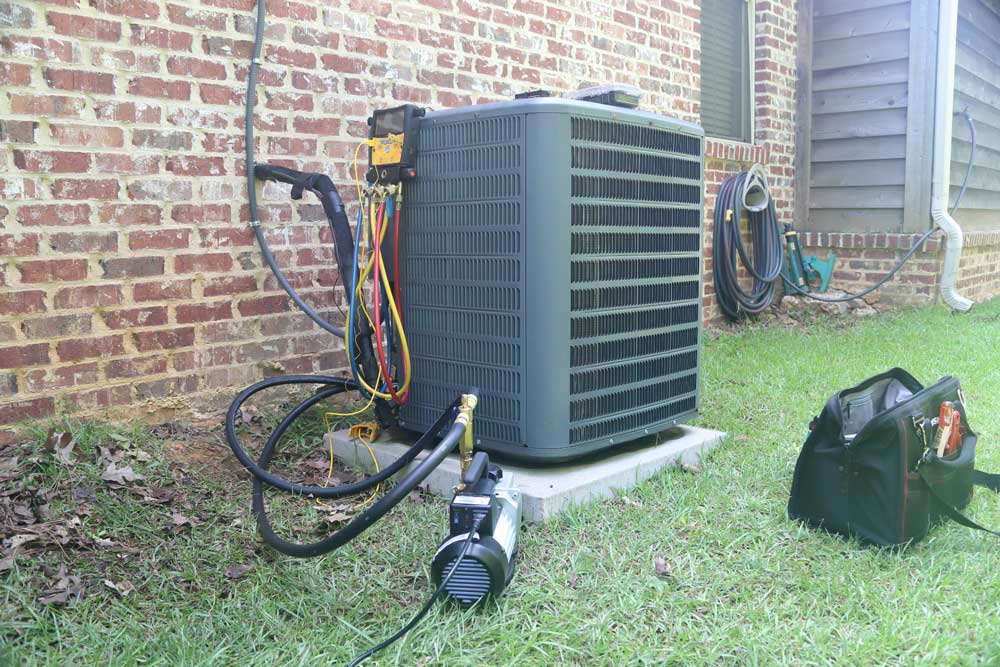
You might think basic AC maintenance is too complicated, but several simple tasks can keep your unit running efficiently. Start by replacing or cleaning the filters regularly to guarantee ideal airflow. Adjusting your thermostat settings can also maximize performance and save energy. Moreover, inspecting the condenser unit and cleaning evaporator coils are vital steps. Clearing debris around the unit and ensuring the drain lines are clean are the things to be considered. How can these steps extend the lifespan of your AC unit? Let’s delve into each task in detail.
Clean or Replace Filters
One of the easiest and most important steps in AC maintenance is to clean or replace the filters regularly. This step guarantees that your system runs efficiently and maintains good airflow. Dirty filters can obstruct airflow, making your unit work harder and reducing its lifespan. Locate the filter compartment, which is usually near the return air duct or the blower compartment.
Check the filter to see if it’s disposable or reusable. If it’s disposable, make sure you have compatible replacements on hand. For reusable filters, remove and wash them with water and mild detergent. Allow them to dry completely before reinserting.
When choosing a replacement filter, pay attention to filter compatibility. The wrong filter size or type can hinder airflow efficiency and might even damage your unit. Always consult your AC manual or contact the manufacturer if you’re unsure about the right filter.
Regularly cleaning or replacing your filters can also enhance indoor air quality, which is especially important if you have allergies. Aim to check your filters every month and replace or clean them every three months or sooner if they appear dirty. This simple step can keep your AC running smoothly and efficiently.
Check Thermostat Settings
Regularly monitoring your thermostat settings guarantees your AC system operates efficiently and maintains a comfortable indoor environment. Start by ensuring your thermostat is set to the correct mode for the season—cooling in the summer and heating in the winter. This may seem essential, but it’s vital for proper functioning.
Next, check the thermostat’s calibration. If incorrectly calibrated, the temperature readings can be off, leading to inconsistent indoor temperatures. You can use a small thermometer to compare the readings. If there’s a significant difference, you might need to recalibrate or replace the thermostat.
Make sure the thermostat is placed in a suitable location, away from direct sunlight, drafts, or other heat sources. These factors can affect its ability to sense the correct room temperature, leading to inefficiencies.
Regularly adjust and test the settings to ensure temperature consistency throughout your home. If you have a programmable thermostat, set it to adjust the temperature based on your daily schedule. This can save energy and maintain comfort.
Inspect the Condenser Unit
After verifying that your thermostat is properly set, it is crucial to inspect the condenser unit for any visible issues. To guarantee safety, start by turning off the power to the air conditioning unit at the breaker box. Next, visually examine the condenser unit, typically outside your home. Look for any signs of damage or wear.
First, check the fan blades for any cracks or bends. Damaged fan blades can impact the efficiency of your AC unit. If you notice any issues, you may need to replace the blades.
Then, inspect the electrical connections. Ensure all wires are secure and there are no signs of corrosion or fraying. Loose or damaged connections can be a fire hazard and should be addressed immediately.
Here are a few specific things to look for:
- Fan blades: Ensure they are not cracked, bent, or damaged.
- Electrical connections: Check for secure, clean, and corrosion-free wiring.
- Coils: Inspect for dirt and debris, which can affect performance.
- Housing: Look for any visible damage or missing screws.
Clear Debris Around the Unit
Maintaining the area around your condenser unit clear of debris is essential for promoting ideal airflow and efficiency. First, inspect the unit placement to ensure it’s in an open, accessible area. If it’s too close to walls, fences, or large bushes, airflow can be restricted, causing the unit to work harder than necessary. Ideally, at least two feet of clear space should be around the unit.
Next, remove any seasonal obstructions. In the fall, leaves can accumulate around the base, while grass clippings and pollen can build up in the spring and summer. Use a broom or a leaf blower to clear these away regularly.
Watch out for larger debris, such as twigs, branches, or trash, that might have blown into the area. These can lodge in the fan or other components, potentially causing damage.
Trim any nearby plants or shrubs to prevent them from encroaching on the unit. Overgrown vegetation can reduce ventilation and lead to overheating.
Clean Evaporator Coils
You’ll need to clean the evaporator coils to ensure your AC unit runs efficiently. Dirty coils can reduce airflow and make your system work harder than necessary. To guarantee safety, power off the unit. Next, locate the evaporator coils inside the indoor unit or air handler.
Using a soft brush, gently scrub the coils to remove dust and debris. Coil brushes are designed for this purpose and will help you avoid damaging the delicate coil fins. Be thorough but gentle to ensure you don’t bend or damage the fins.
Here are some key points to remember:
- Power off the unit: Always make sure the unit is powered down before starting any maintenance.
- Use the right tools: Coil and soft brushes are ideal for cleaning without causing damage.
- Inspect coil fins: Check the fins for bends and straighten them using a fin comb if necessary.
- Regular maintenance: Cleaning the coils at least once a year can extend the life of your AC unit.
Check and Clean the Drain Line
Checking and cleaning the drain line is vital to prevent water damage and guarantee your AC system runs smoothly. Start by locating the drain line, usually a PVC pipe near the AC unit. Check the drain pan underneath the unit; if it’s full of water, you likely have a clogged drain line.
To clean the drain line, first turn off your AC system to ensure safety. Next, use a wet/dry vacuum to remove standing water from the drain pan. Once the pan is clear, find the access point on the drain line, which is often a T-shaped vent. Remove the cap and pour a vinegar solution (one cup of vinegar mixed with one cup of water) into the drain line. The vinegar solution helps dissolve any buildup of algae or mold.
After pouring the solution, let it sit for about 30 minutes. Then, flush the line with water to clear out any remaining debris. Reassemble everything and turn your AC back on. Regularly performing this task helps maintain your AC’s efficiency and prevents potential water damage to your home.
Inspect and Seal Ductwork
Inspecting and sealing ductwork guarantees your AC system operates efficiently and prevents air leaks. First, turn off your AC system to guarantee safety. Next, carefully examine the ductwork for visible gaps, tears, or disconnected sections. Pay special attention to joints and connections, as these are common areas where air leaks can occur.
Duct tape specifically designed for HVAC is used to seal these leaks effectively. Regular duct tape won’t hold up over time. Once you’ve applied the tape, press it firmly to ensure a tight seal. Don’t forget to check for any areas where insulation might be missing or damaged, leading to energy loss.
Consider these key points:
- Safety First: Always turn off the AC unit before starting any inspection or sealing tasks.
- Thorough Inspection: Look at all duct joints and connections for any signs of wear and tear.
- Proper Materials: Use HVAC-rated duct tape for sealing, as it’s more durable.
- Regular Checks: Make inspecting and sealing ductwork a part of your routine maintenance.
Conclusion
Taking care of your AC unit is like tending a garden; it requires regular attention to thrive. By cleaning or replacing filters, checking thermostat settings, inspecting the condenser unit, clearing debris, cleaning evaporator coils, and checking the drain line, you’re ensuring your AC remains efficient and functional. Don’t forget to inspect and seal ductwork to prevent leaks. With these simple steps, you can keep your home cool and your AC running smoothly for years.